Beyond the hardware: what projection mapping actually costs
A projection mapping installation typically costs anywhere between £10,000 and £250,000. An indoor surface for a single evening sits at the bottom of that spectrum, whereas a landmark facade featuring bespoke content, a dedicated technical crew, and a multi-night run sits at the top. When you move into permanent installations backed by ongoing support contracts, budgets extend even further.
Ultimately, your budget hinges on three core variables:
- Surface area: How much physical space you need to illuminate.
- Content scope: How much original, bespoke animation you commission.
- Asset lifespan: How many times you intend to deploy what gets built.
Most studios hesitate to put these figures in writing, but transparency matters. The difference between a £15,000 project and a £150,000 one is not agency margin; it is project scope, and that scope is entirely knowable before you sign a contract.
What Actually Drives the Cost: Scale and Surface
Brightness dictates your hardware bill, and the nature of your canvas determines how much light you need:
- Indoor environments: A dark indoor wall of 50 square metres can easily be covered by one or two 10,000-lumen projectors.
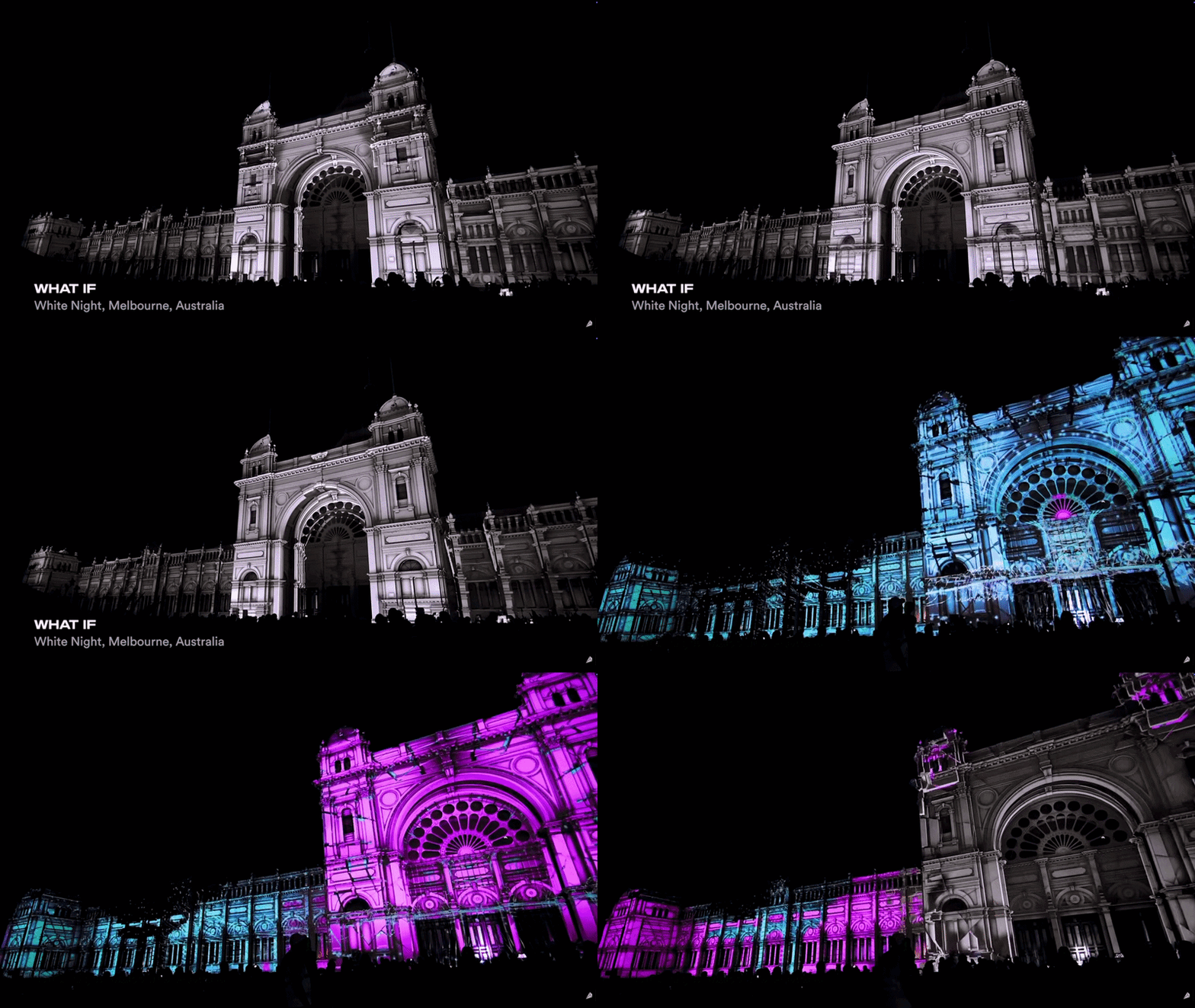
- Outdoor city facades: Illuminating a 30-metre facade on a busy street requires six or more laser projectors in the 20,000 to 40,000-lumen class, alongside a dedicated media server to warp and blend them into a single, seamless canvas.
- Rigging and logistics: You will also need extensive cable runs to reach a position with a clean sightline. Simply renting a facade rig of this scale for a short run costs roughly £25,000 to £30,000 before a single frame of content has been produced.
- Capital purchase versus rental: Buying that same hardware rig is a six-figure investment, which is precisely why almost no one purchases equipment for a temporary show.
- Surface materials: Flat, pale, matte surfaces are inexpensive to light. Conversely, dark stone, glass, deep window reveals, and heavy architectural ornament absorb light, adding significant costs in brightness requirements, calibration hours, and content complexity.
The Content Trap (and Why a Twin is the Master Key)
The most expensive mistake in spatial media is commissioning a single-use video file that fits one building for one night, only for it to become worthless the morning after.
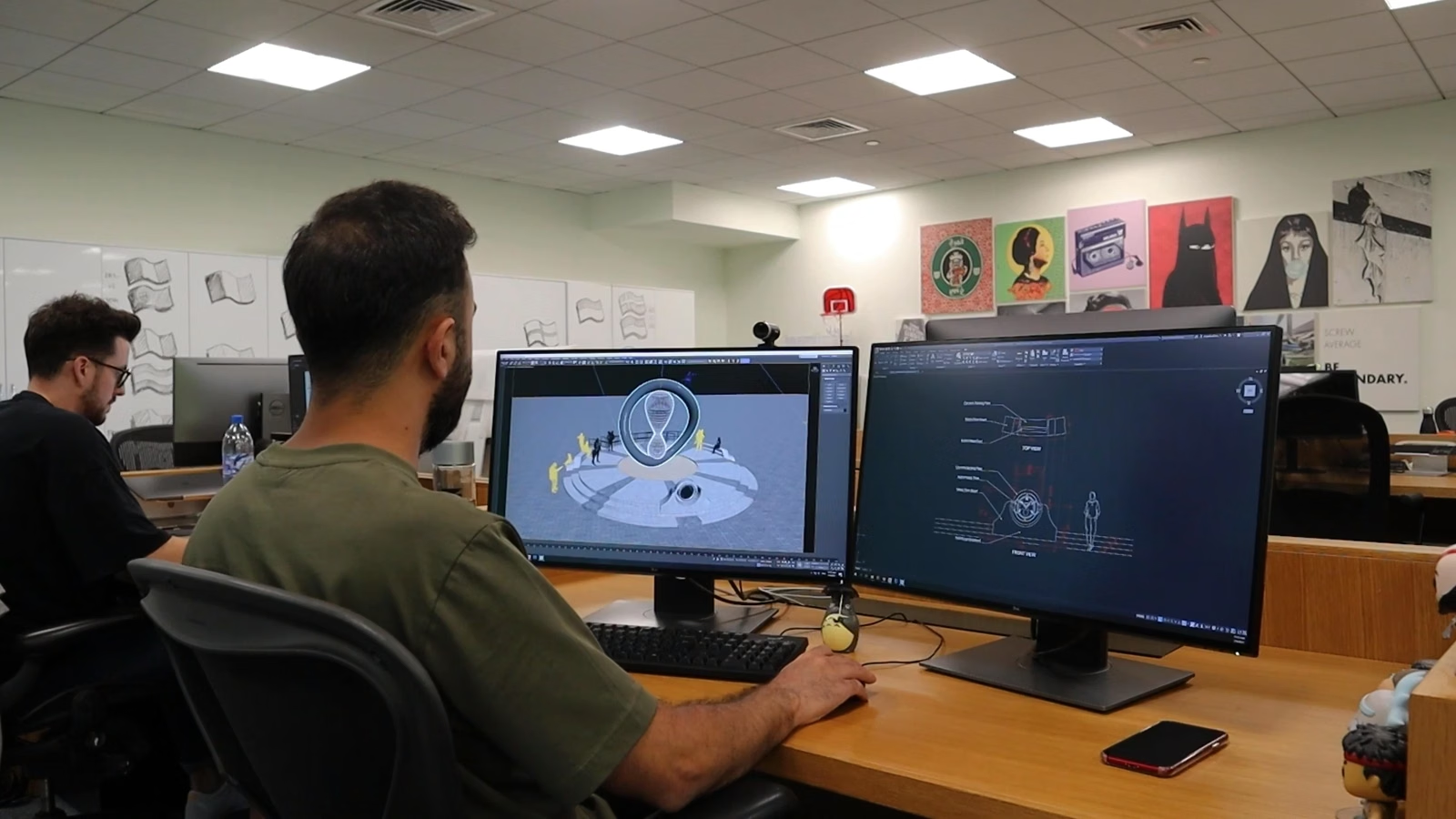
A far smarter alternative is to accurately map the architecture and build a structural digital twin. Instead of rendering a flat video, we construct a geometry-accurate, real-time 3D model of your building. Taking this approach transforms the entire production workflow and delivers three immediate practical advantages:
- Pre-production clarity: You can view the entire projection show fully visualised within its physical context before renting or rigging a single projector, which secures stakeholder confidence early on.
- Sightline testing and creative freedom: An accurate architectural model allows your team to test sightlines from any street corner or audience vantage point, showing exactly how light will wrap around complex stonework.
- Operational value and cost efficiency: Once the event concludes, building operations inherit a permanent digital asset that can integrate crowd data to generate heat maps of visitor engagement, providing hard metrics to inform future creative briefs.
Real-time (CG) vs. Pre-rendered (Video)
Choosing between pre-rendered video and real-time animation involves a clear trade-off between upfront cost and long-term flexibility:
- Pre-rendered content: Traditional animation is cheaper to produce and simpler to operate, but it plays back identically every night and cannot respond to live data.
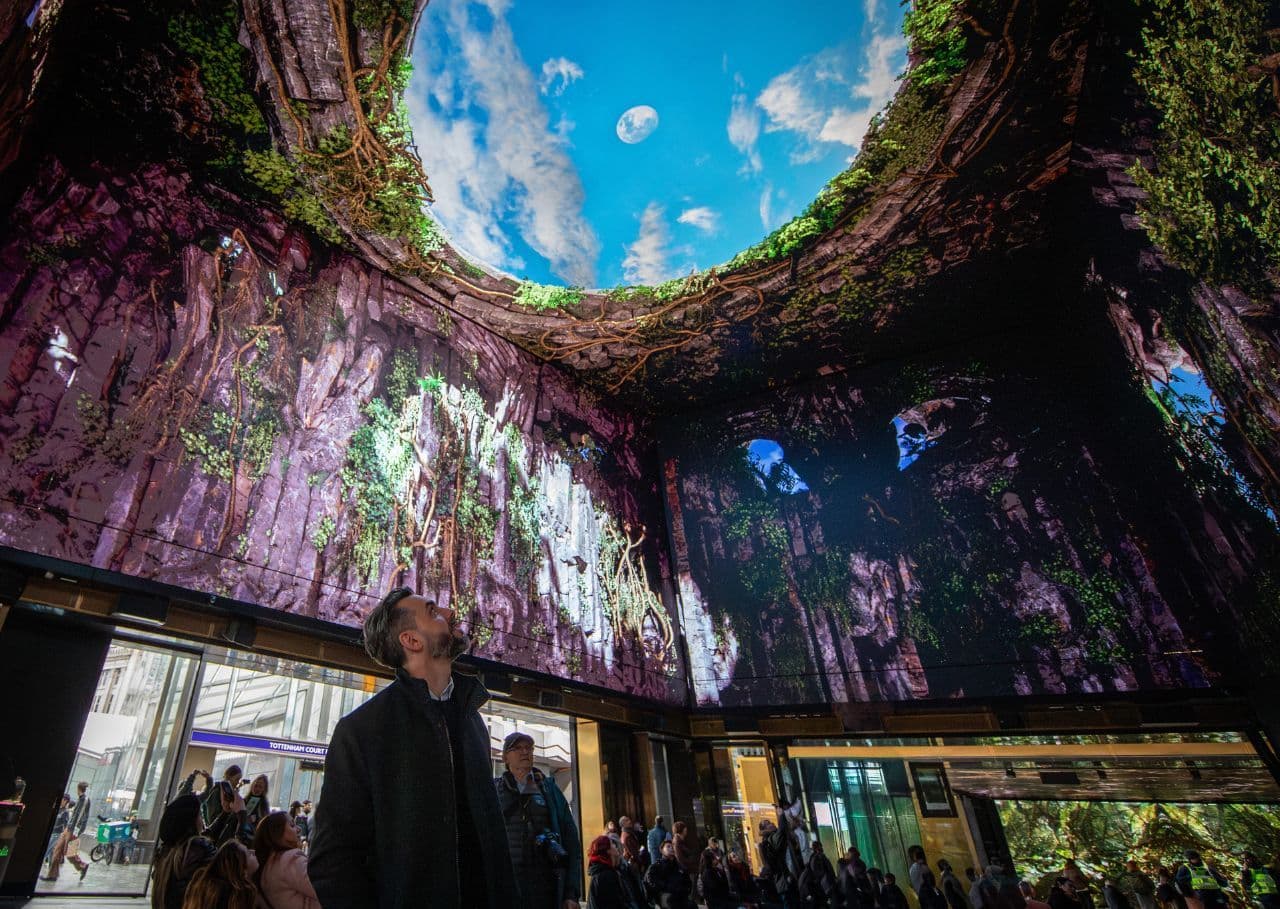
- Real-time game engines: Content built in an engine like Unreal requires a higher upfront investment, but it can ingest live data, adapt to real-time events, and be edited on the fly without costly re-renders.
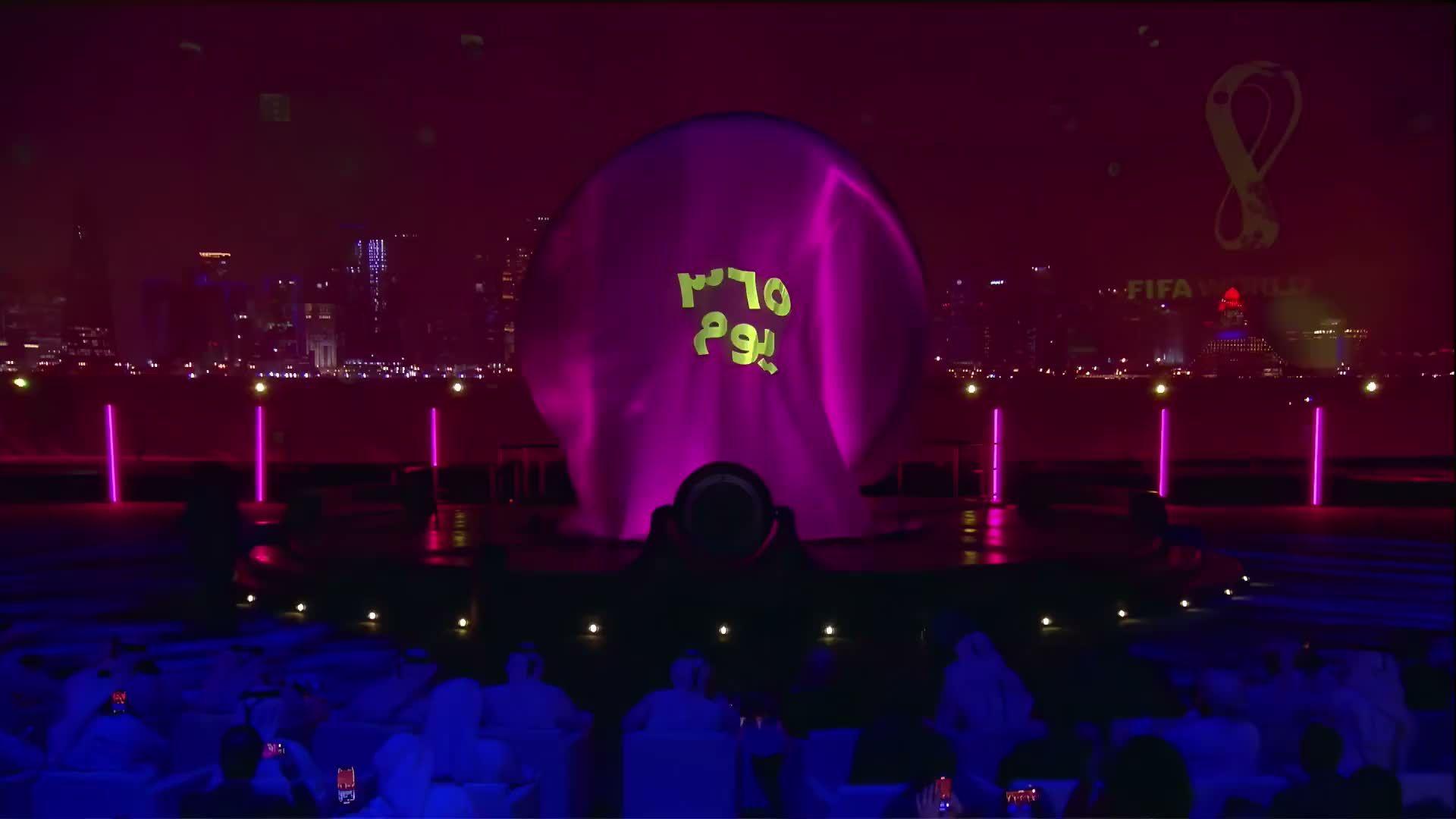
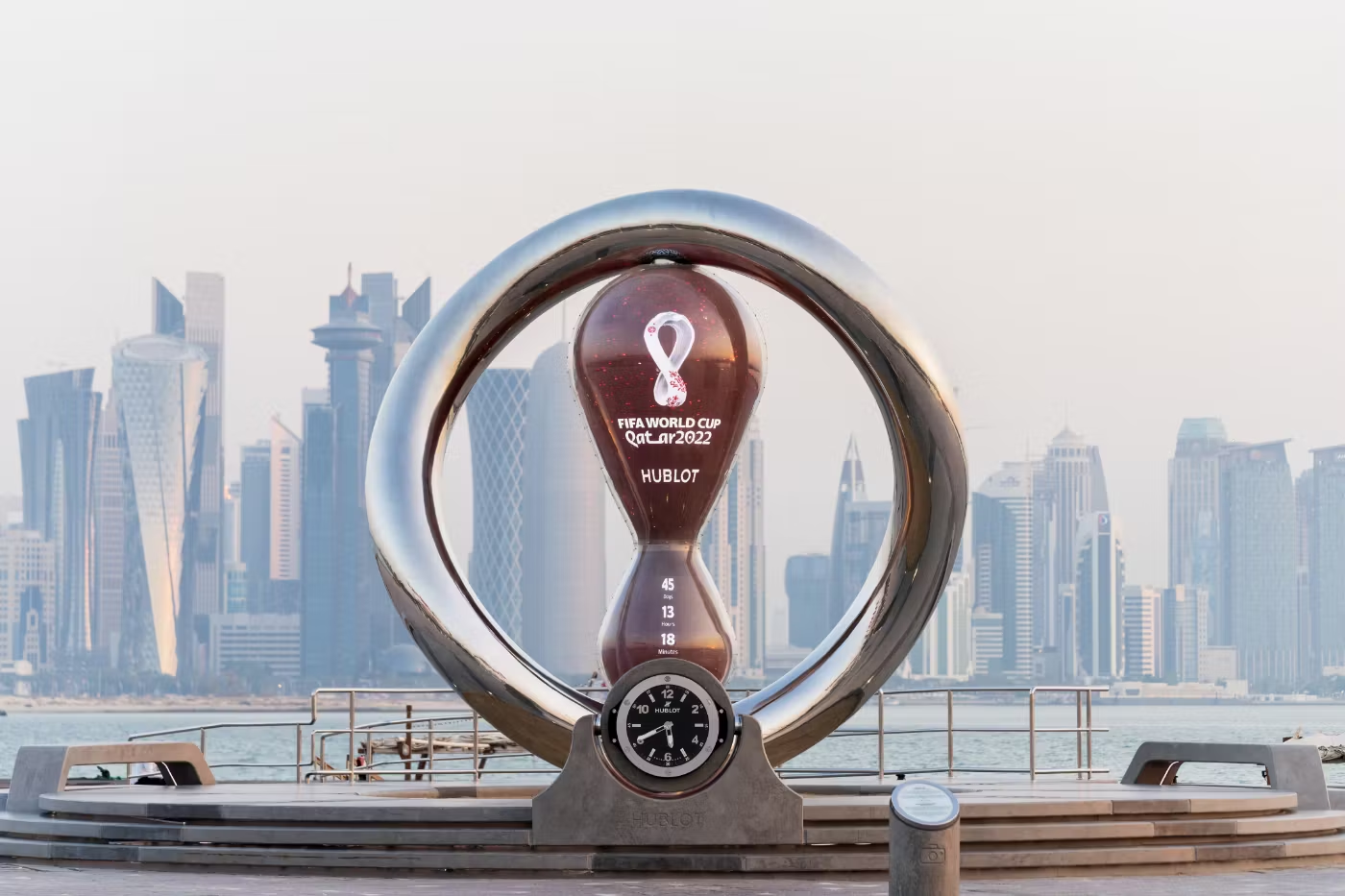
- Proven reliability: The official FIFA 2022 Countdown Clock on Doha's Corniche ran a real-time engine continuously for 365 days. That represents a fundamentally different engineering brief from a five-minute looping video, and it is priced accordingly.
The True Cost of Content
Content is almost always the largest single line item on a project budget, yet it is frequently the one clients underestimate the most.
- Bespoke 3D animation: Custom content mapped precisely to a building's unique geometry costs between £8,000 and £15,000 per finished minute at broadcast quality.
- Production priorities: Consequently, a six-minute show is fundamentally a content commission first and a hardware rental second.
- Stock alternatives: While off-the-shelf loops and generic facade packs cost a fraction of that price, they lack a premium finish and inevitably look like generic templates.
Uptime, Maintenance, and Support
Operating an installation reliably requires factoring in the logistics of on-site crews, environmental protection, and local permissions:
- Temporary events: A one-night event requires two to four technicians, an after-dark site survey, a full rehearsal, and a timed get-out.
- Permanent installations: Long-term setups require weatherproof housings (typically running from £5,000 to £20,000 or more), remote system monitoring, critical spare parts, and a team contractually responsible for troubleshooting at three in the morning.
- Licensing and permits: Municipal permits sit on top of these technical expenses (usually costing between £200 and £5,000), and certain historic buildings charge separate rights fees for using their facade as a commercial canvas.
The Cost Benefits of a Digital Twin
A professional digital twin typically costs between £40,000 and £500,000 for most commercial developments. A single-purpose model of an individual building sits near the bottom of that range, whereas an operational twin (hosted, version-controlled, and integrated into daily business systems) sits near the top. For facility-scale portfolios, hospitals, or industrial plants, comprehensive builds can run into the millions.
However, looking at the initial figure in isolation obscures the metric that actually matters: cost per use.
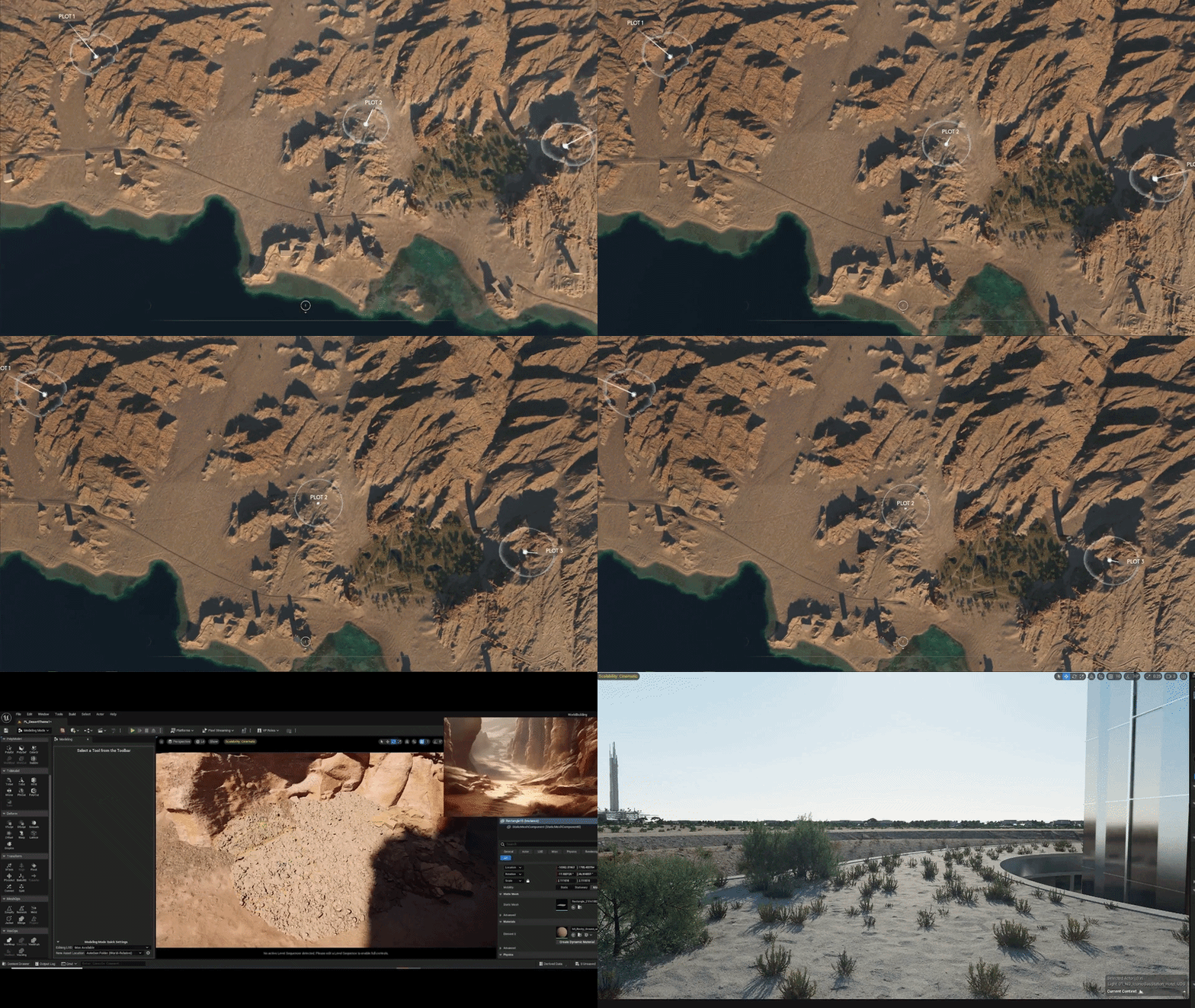
- Infrastructure at scale: For MAGNA (NEOM's coastal region spanning twelve destinations across 120 kilometres of the Gulf of Aqaba), we treated a world-class digital twin as foundational infrastructure.
- Cloud-based access: The model lives securely on the LXR Spatial Platform, where it is permissioned and pixel-streamed directly to any standard web browser without requiring local software installations.
- Multi-system deployment: That single twin now powers more than 20 distinct applications and systems, creating one reliable source of truth from early design reviews right through to client-facing presentations.
- Amortised value: When you divide a primary build cost across twenty separate deployments, the financial conversation changes shape entirely.
Projection Mapping, AR Activation, and Digital Twins
These three distinct disciplines are frequently quoted against the same budget line, yet they serve entirely different strategic purposes:
- Projection mapping: This puts light directly onto a physical surface you already control. It is the perfect solution when your audience is gathered in front of a building at night, and creating an unmissable, shared moment is the primary objective.
- Augmented reality (AR) activation: AR places your content into the audience's immediate surroundings via the smartphone in their hand. A web-based activation using existing assets starts at around £15,000, whereas a campaign-scale rollout featuring bespoke tracking and original content typically exceeds £50,000. This approach reaches audiences far beyond your physical location and lives significantly longer than a single evening.
- The digital twin: The twin is the master architectural model that feeds every other channel. When you build the asset properly once, it seamlessly powers a projection show, a VR headset experience, a web browser, and a high-stakes sales meeting.
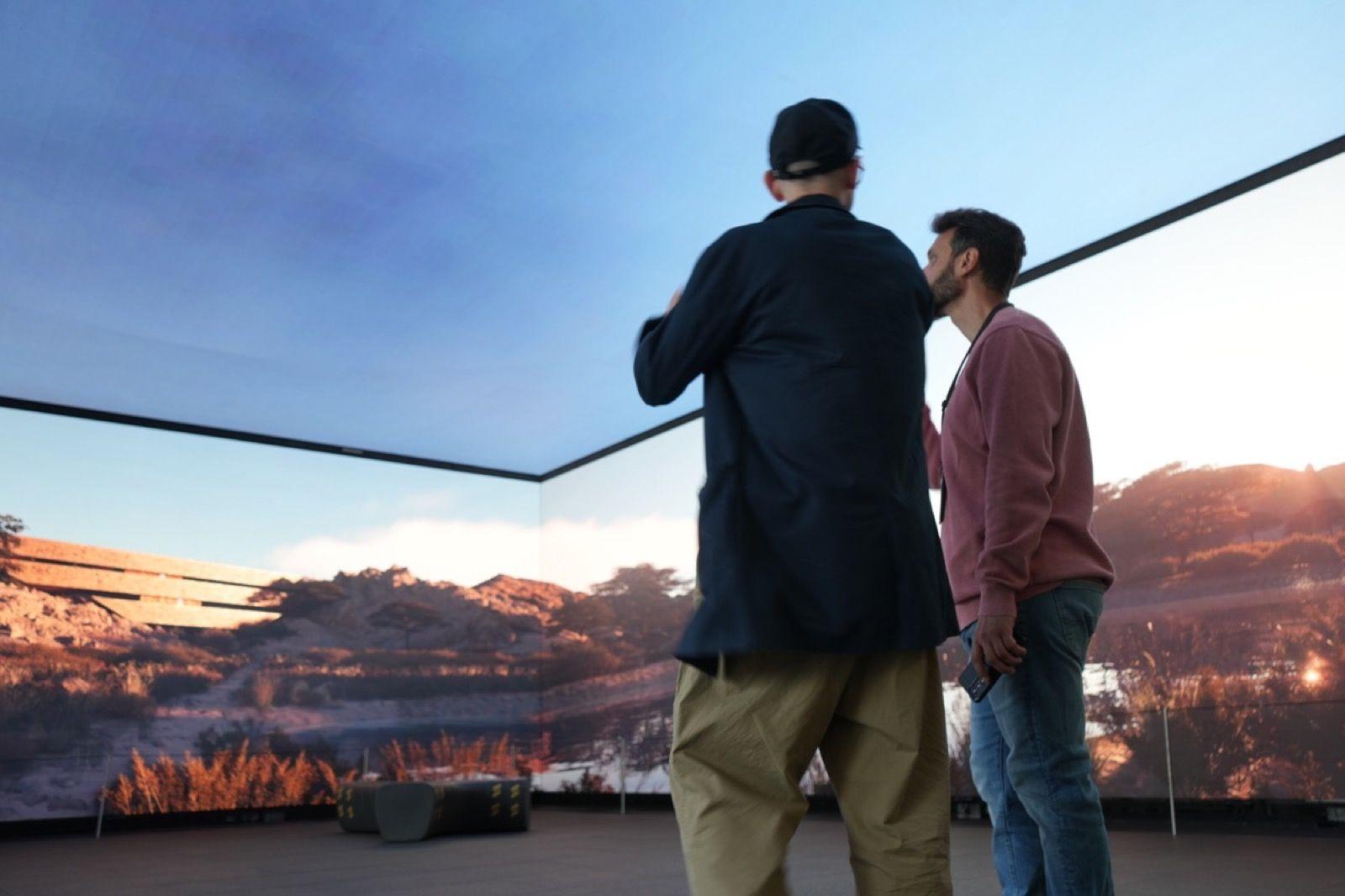
At Yuba Island in the Red Sea, we reconstructed 437 hectares of coral reef at millimetre resolution, complete with marine behavioural simulation. We then delivered that exact same data as both an immersive CAVE environment at NEOM Sport and an interactive desktop twin, proving how a single capture can drive two radically different user experiences.
Most project briefs that ask for just one of these formats tend to be better served by combining two. Framing the work around the core asset rather than the delivery format.
Why Cheap is the Expensive Option
The most expensive way to commission spatial media is to buy the exact same asset four separate times.
- The fragmentation problem: When a live show, a promotional film, a web experience, and an exhibition stand are commissioned in isolation, every piece is rebuilt from scratch by different teams.
- Loss of momentum: Because each build is slightly out of step with the last, teams spend countless hours on manual fixes and human intervention. Nothing compounds, meaning every new financial year starts from zero.
- Build once, deploy everywhere: A smarter model relies on one governed, version-controlled asset deployed across every surface your audience touches. The initial deployment absorbs the core build cost, while the next twenty applications cost a fraction of the price and remain structurally accurate.
- Proven performance: This approach is why the official FIFA clock maintained 100% technical uptime and frame stability across a full year of global broadcast coverage. It powered 1.2 million active immersive engagements and generated over a billion social interactions across 100 countries.
Reliability designed into the architecture at the start costs money once, whereas uptime discovered missing on opening night can cost you the entire campaign.
Start your project now
Bring us the surface, the location, or the product. We will tell you exactly what it costs to build, what it costs to run, and where else that asset can be deployed once it exists.
Speak directly with the technical architects who will govern, build, and install your system. No middlemen, just technical reality.