The Experience Advantage
How Destinations Can Harness AI to Design Journeys that Inspire, Engage, and Endure.
The destinations thriving today aren't those with the most significant budgets or the most famous assets. They are the ones that have cracked the code: making every visitor feel like the experience was designed just for them, while staying true to their own voice and identity.
The bar has risen. Visitors expect more than access. They want experiences that are social, interactive, and inclusive. In a world where streaming, gaming, and digital entertainment are dynamic and ever-changing, one-size-fits-all experiences quickly feel outdated.
The New Challenges
Across the destination landscape, leaders face common pressures:
- Rising expectations: Personalisation is no longer optional. AI-powered hyper-personalisation is becoming core infrastructure.
- Fragmented journeys: There remains too much focus on the on-site visit, while anticipation and post-visit engagement are often underdeveloped.
- Risk of commoditisation: Static attractions are interchangeable. What feels special once can feel repetitive on a return visit.
- Revenue pressure: Traditional models of ticketing and retail no longer guarantee resilience.
- Underused data: Visitor insights are collected but rarely turned into creative inputs for design.
- Finite attention: Research shows most visitors experience fatigue within 20–30 minutes. Without adaptive pacing, engagement drops quickly.
- Community missing: Audiences increasingly want to participate and co-create, rather than simply consume.
What's the answer?
Experience is the Product
An experience is not defined by what happens at the door. It is the entire arc, from discovery and anticipation to immersion and advocacy. A weak first impression, or a static second visit, is a lost opportunity.
Global brands are already showing what this can look like. Nike's "House of Innovation" stores are seamlessly connected to their apps and digital platforms, so that every interaction, whether on screen or in person, feels like part of a coherent journey.
Destinations that thrive will be those that design journeys where every stage feels intentional, connected, and personal.
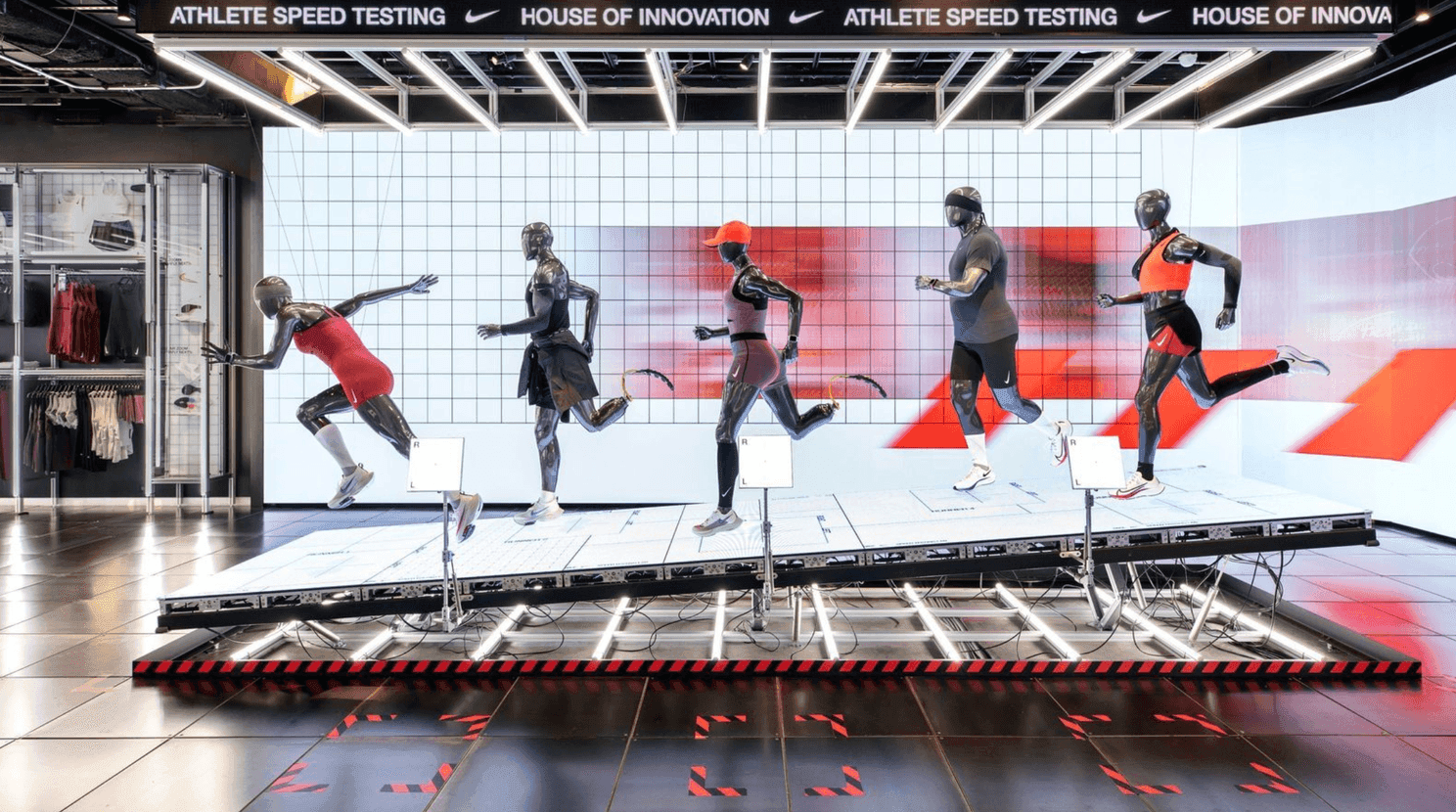
Destinations need an adaptive experience layer. A system that evolves in real time with visitor expectations.
This is where new tools come in. Generative AI enables the delivery of that product in adaptive, responsive, and continually refreshed ways. It provides the means to take the timeless craft of storytelling and scale it around every visitor.
The Big Opportunity: Storytelling at the Speed of Interaction
AI opens a new frontier, moving beyond static storytelling.
Instead of pushing visitors down a single path, destinations can design frameworks where people lean in, explore, and help shape the story in ways that feel truly their own.
It's about creating experiences that respond in real-time, adjusting to a visitor's mood and choices. Narratives become living frameworks where audiences influence the journey. Rhythm, tone, and intensity shift dynamically, making every moment feel genuinely alive.
Think of it as guided authorship: visitors feel empowered, but always within a narrative arc that is safe, coherent, and true to the brand. Trust is built in this balance between freedom and design.
We already see glimpses of this future. teamLab Borderless in Tokyo creates evolving digital artworks that change with visitor movement, ensuring no two visits are the same. Today, that's driven by sensors and algorithms; tomorrow, AI will extend this adaptivity across entire journeys.
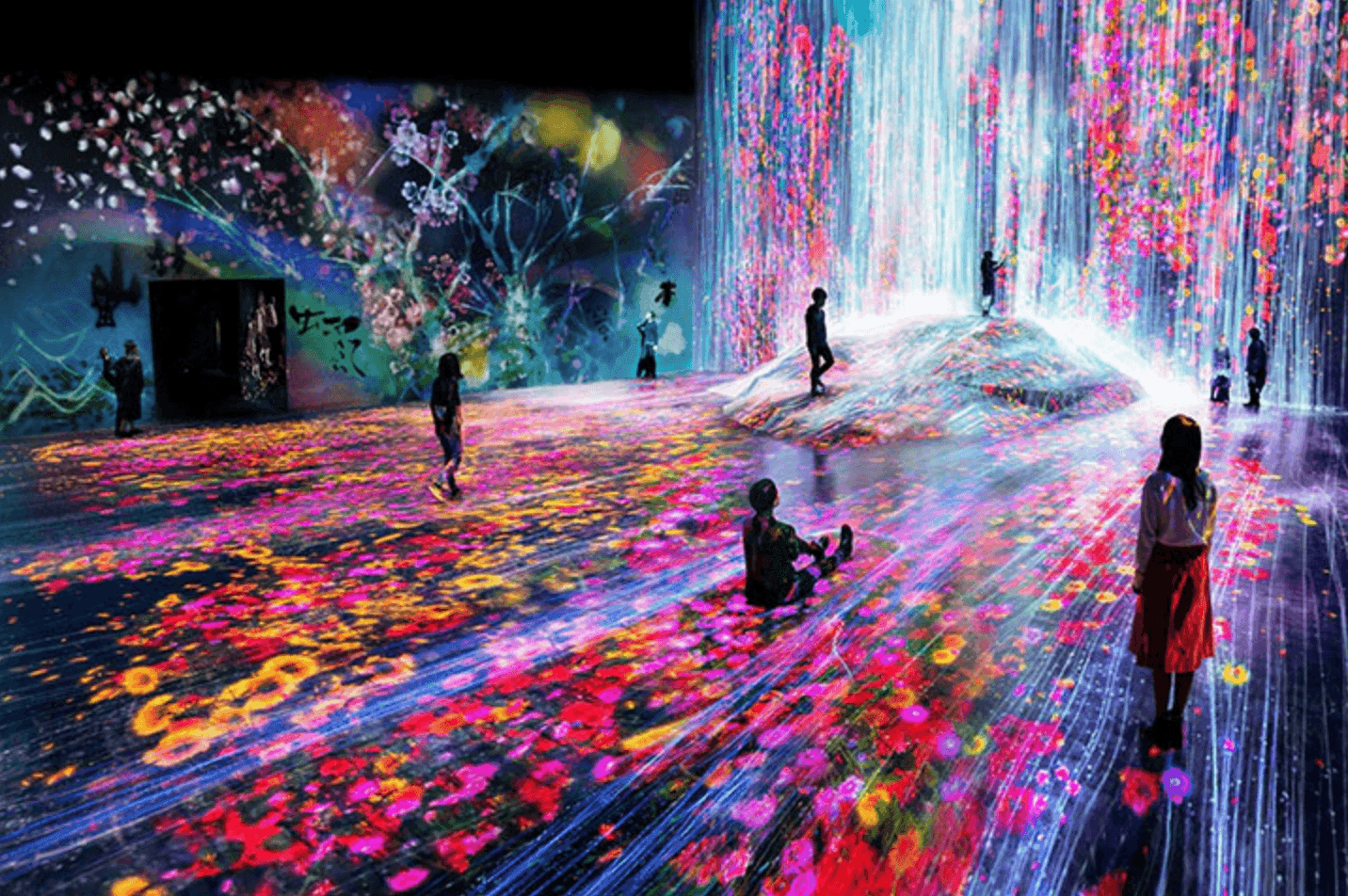
Entertainment leaders are experimenting too. Disney Research, in collaboration with partners such as DeepMind and Nvidia, is testing adaptive characters and crowd technologies that adjust performances based on audience energy. The result: experiences that feel shared, dynamic, and alive.

The Commercial Opportunity.
Adaptive experiences are not just creatively compelling; they unlock new value:
- Premium access and personalised upgrades.
- Exclusive micro-experiences that feel tailored to individuals.
- Anticipatory design that delivers what visitors want before they ask.
Visitors who feel like protagonists don't just attend; they advocate, return, and invest more of their time and resources. That loyalty translates directly into resilience.
Principles for Responsible Innovation
The opportunity is vast, but so are the responsibilities. Success depends on four guiding principles:
- Privacy and ethics: Data must be handled transparently and respectfully.
- Cultural literacy: Experiences should be adaptable across languages, accessibility needs, and diverse cultural contexts.
- Technology at scale: Adaptive systems must be seamless and reliable, not fragile or exclusive.
- Human–AI collaboration: AI can orchestrate and adapt, but human imagination defines the vision.
Organisations that adopt these principles early will establish the trust necessary to succeed in the long term.
How to Begin Building Your Experience Advantage?
Transformation doesn't have to start big. The most effective path forward is through visible, low-risk prototypes:
- Test adaptive touchpoints at one or two moments in the journey.
- Turn data into creative fuel, reframing insights as inputs for storytelling.
- Design for collective play, piloting group experiences that evolve through participation.
Set trust principles by sharing clear policies on inclusivity and data use.
Prototype. Gather insights. Build ethics in parallel.
And remember: these are not experiments in isolation, but visible signals to stakeholders and visitors that your destination is already preparing for the future.
At LXR, we design and deliver immersive journeys that turn visitors into advocates. Our Experience Delivery Framework combines creativity, play, and technology to create experiences that are lived, felt, and remembered.
We are already working with destinations developing their Experience Advantage. If these challenges resonate with you, we'd welcome a conversation about how your journey could begin.