No Address, No Audience: Why Location-Based Experiences are the True Future of Immersive Marketing
The next decade of brand innovation will not be defined by isolating users in standalone headsets or forcing them to navigate friction-heavy virtual-world applications. Instead, it will be defined by layering spatial computing natively onto the physical and digital spaces where people already live, gather, and transact.
LocationXR founder Rory Byrne recently unpacked this commercial reality on the Brands In Play podcast with host Nic Hill. Exploring the global shift toward interactive placemaking, Rory highlighted why early Web3 marketing struggled and where enterprise leaders must direct their focus next. This article acts as an extension of that conversation, translating the core philosophies discussed on the show into a strategic blueprint for the future of brand experiences.
1. The Trap of "Destinations With No Address"
The defining failure of early immersive brand marketing was the assumption that audiences would abandon their daily digital routines to visit standalone virtual worlds. Companies poured millions into building isolated 3D environments that required desktop clients, specialised hardware, or navigation to obscure virtual coordinates.
During his podcast appearance, Rory summarised this structural failure with a simple phrase: without existing footfall, you are building a destination with no address. When brands expect consumers to migrate to empty virtual spaces, they ignore the fundamental laws of human behaviour and architectural placemaking.
To avoid building digital ghost towns, marketing leaders must recognise three critical realities:
- Friction Outweighs Novelty: If an experience requires a consumer to jump through technical hoops or deviate from their established daily habits just to arrive at the starting line, drop-off rates skyrocket.
- The Importance of Organic Footfall: Immersive media cannot survive in a vacuum. Capturing attention requires placing interactive layers directly into high-traffic corridors where audiences are already present.
- Seamless Integration: The future belongs to spatial infrastructure that integrates smoothly into a user’s existing physical and digital world, rather than demanding they download complex applications or enter isolated ecosystems.
2. Anchoring Spatial Experiences Where People Already Gather
To generate measurable business value from spatial computing, brand leaders must anchor their interactive experiences directly to the locations where attention already thrives. Rather than expecting audiences to seek out arbitrary digital coordinates, effective location-based XR (LBE XR) meets the audience at their natural gathering points.
As Rory noted on Brands In Play, we must not force a consumer choice between the physical and the digital. Instead, we must use real-time technology to close the gap between them across several key environments:
- High-Footfall Physical Environments: Urban plazas, sports stadiums, transit hubs, and live festival grounds where digital overlays turn passive crowds into active participants.
- Curated Retail and Mixed-Use Spaces: Flagship brick-and-mortar stores and commercial districts where spatial storytelling drives foot traffic and significantly increases customer dwell time.
- Existing Digital Platforms: Web-based real-time 3D engines that embed directly into standard browsers and mobile interfaces, eliminating the friction of app downloads.
When spatial computing is deployed as an enhancement to an existing physical venue or a high-traffic web platform, user friction drops to zero and engagement scales organically.
3. The Rise of Entertainment Retail Complexes: When Places Become Brands
A structural transformation is underway across commercial real estate, retail architecture, and urban planning. Places are becoming brands, and brands are becoming places. Traditional retail centres can no longer survive as mere transaction hubs, as eCommerce has already won the battle for pure convenience and transactional efficiency.
To drive sustained physical footfall, developers are evolving traditional spaces into entertainment retail complexes and experiential arenas. On the podcast, Rory mapped out how this commercial evolution breaks down across four distinct tiers of spatial impact:
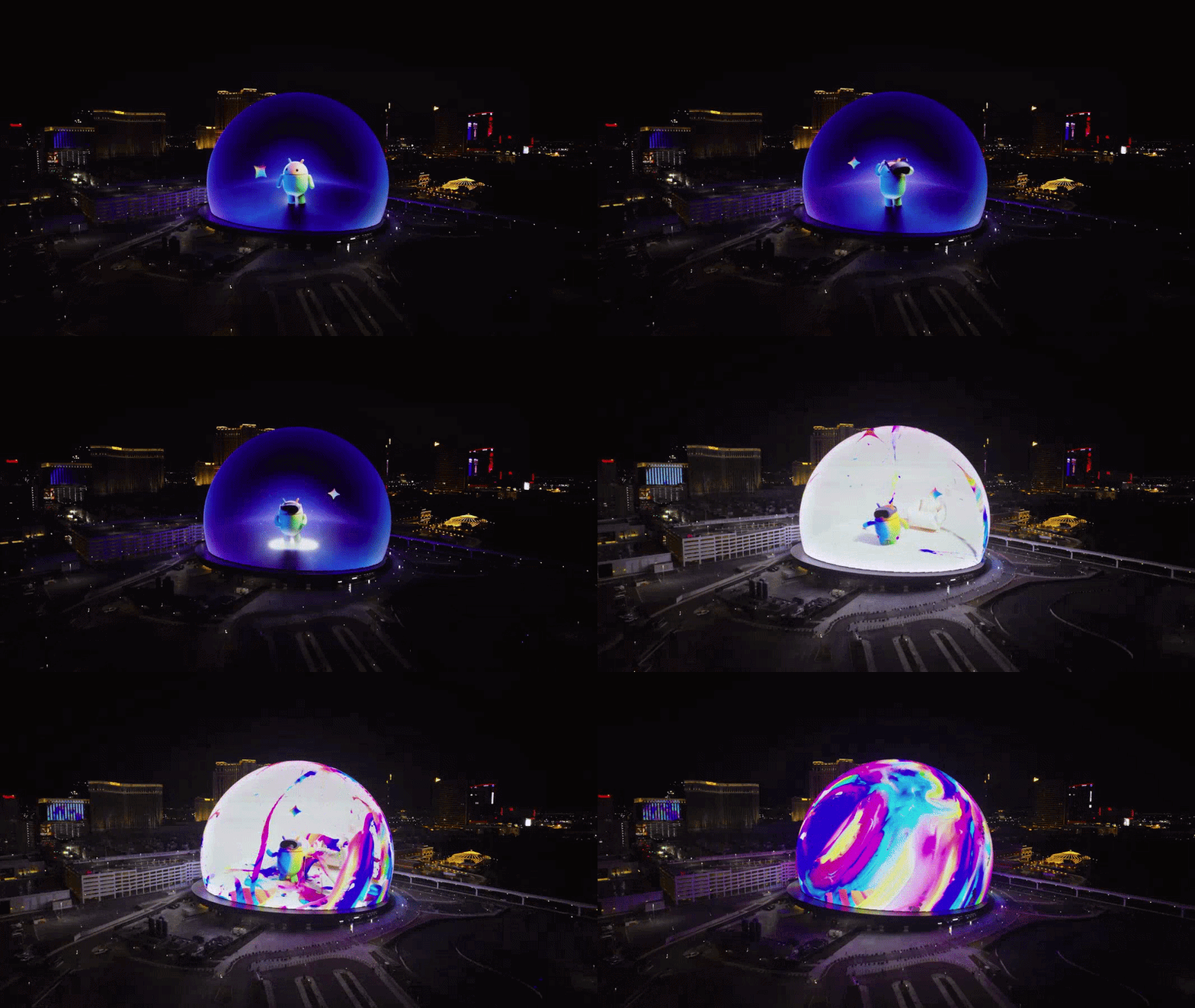
- Tier 1 (Architecture as Media): Monumental environments like Sphere in Las Vegas, where the building exterior acts as a massive broadcast screen and advertisers deploy content much like a global television network.
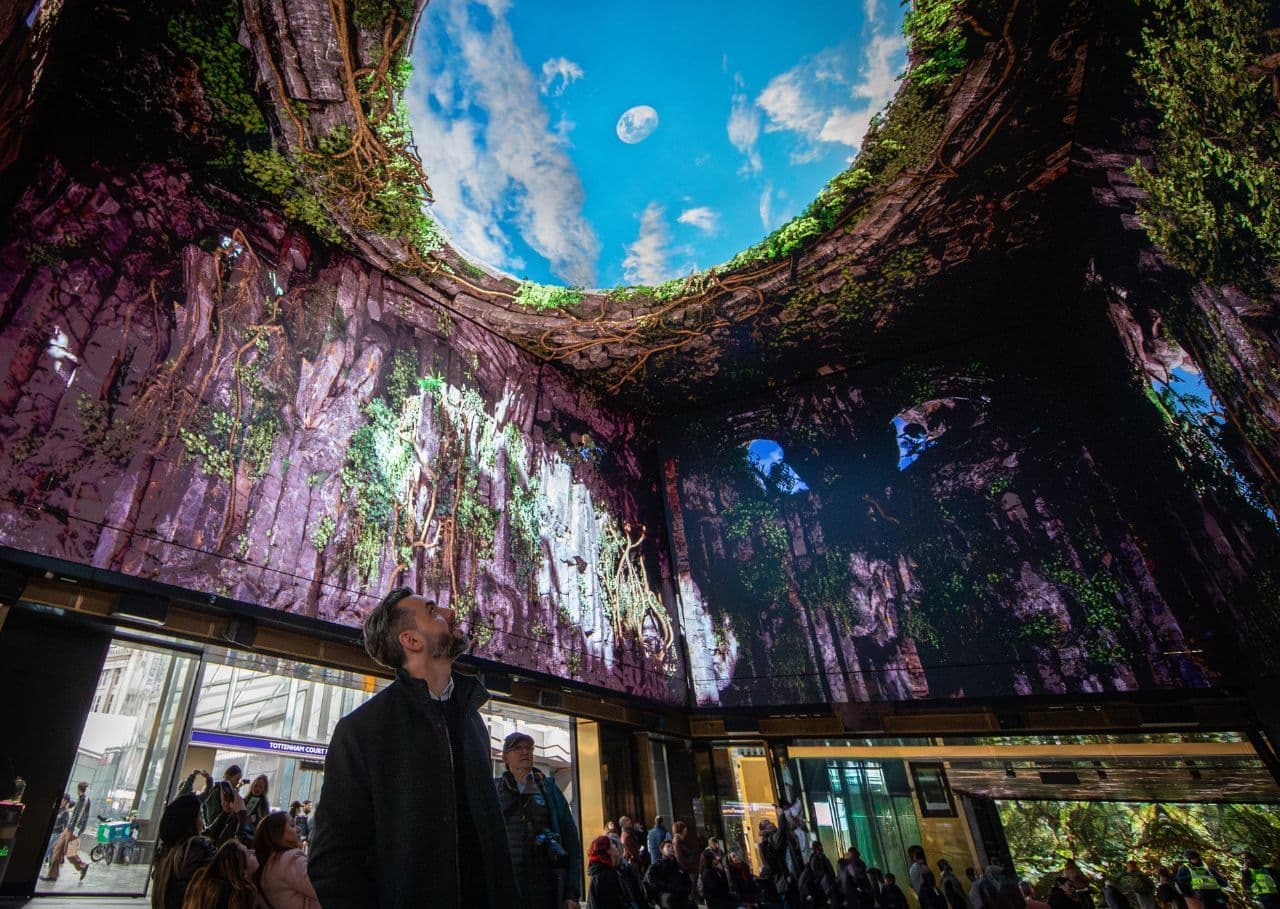
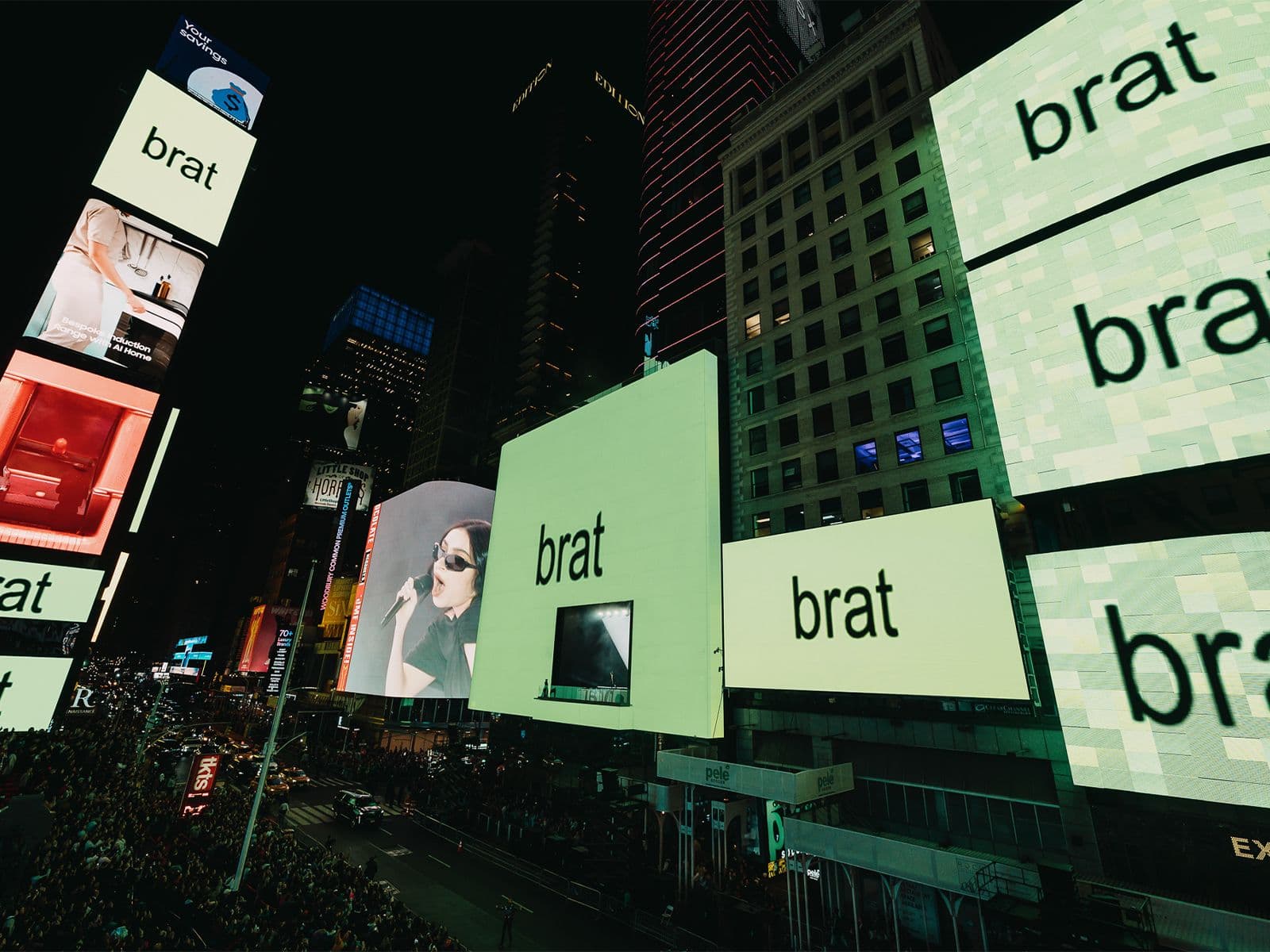
- Tier 2 (Connected Urban Districts): Permanent, master-planned retail and entertainment districts like Outernet London or TSX Broadway, where high-density daily footfall interacts with concave LEDs and immersive audio.
- Tier 3 (Stadiums and Arenas): Highly engaging live sports and entertainment venues that represent a massively undervalued asset for real-time fan participation and interactive digital overlays.
- Tier 4 (Transit Hubs and Airports): The "sleeping giant" of the experiential industry. High-dwell-time international airports are transforming into multi-sensory brand canvases, following pioneering installations in Singapore and Seoul.
By integrating real-time 3D game engines (such as Unreal Engine) with architectural placemaking, property developers and retail brands can transform static brick-and-mortar locations into living, reactive environments overnight without rebuilding physical drywall.
4. Why Co-Created Memories Outperform Static Brand Messages
For decades, digital advertising has been optimised for passive, transient impressions, including banner clicks, video views, and fleeting scroll-stopping tactics. In the era of spatial computing, however, engineering memorable experiences will consistently outperform broadcasting static messages.
A central highlight of the interview on Brands In Play was the breakdown of consumer advocacy: "When someone shares something from an event or an experience you've created, they're not actually endorsing your brand. They are using it to construct their own identity."
This shift from passive observation to embodied agency triggers significantly higher emotional recall and brand affinity, driven by three underlying psychological pillars:
- The Three Anchors of Memory: Human beings are psychologically wired to remember experiences over information. Our long-term recall is built around three elements: where we were, who we were with, and how the moment made us feel.
- Identity-Led Advocacy: When consumers capture and share a real-world immersive experience on social media, they are broadcasting their personal lifestyle and values. You cannot buy this authentic advocacy with a traditional media plan.
- Scalable Real-World Impact: Encapsulated by LocationXR's work on the Doha FIFA World Cup countdown clock. By combining a monumental kinetic architectural timepiece in the city skyline with a real-time web platform where global fans could post their messages directly onto the physical structure, the campaign generated over a billion global impressions.
The Two Arenas of Spatial Impact
The strategic future of immersive marketing lies in deploying real-time spatial engines to solve tangible business challenges in the real world. At LocationXR, our work centres on driving measurable transformation across two distinct arenas of impact:
- Brand and Product Architecture: Turning static products and brand narratives into interactive spatial ecosystems, ranging from browser-based 3D product configurators to large-scale, multi-sensory brand installations at global events.
- Destination and Placemaking: Making unbuilt real estate tangible, driving urban foot traffic, and transforming stadiums, retail complexes, and commercial campuses into connected, location-based XR destinations.
As Rory Byrne emphasised throughout his conversation on Brands In Play, the era of showing consumers a static picture of your brand is over. The organisations that dominate the next decade of retail and marketing will be the ones that invite their audiences directly inside the experience, meeting them exactly where they already are.
Watch / Listen to the Full Episode
To explore the future of spatial placemaking, entertainment retail complexes, and the commercial reality of location-based XR in greater detail, watch or listen to Rory Byrne's full conversation with Nic Hill on the Brands In Play podcast.
Choose your preferred platform below to catch the complete interview: